

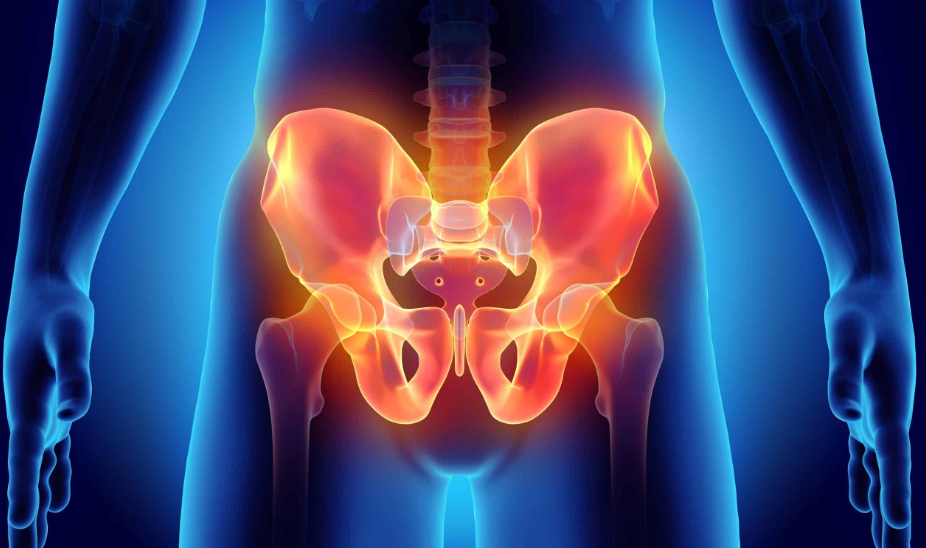
Pelvic pain is a broad term that describes any discomfort or aching that occurs in the lower part of the abdomen, specifically between the belly button and thighs. For many people, this type of pain is not just an occasional inconvenience—it can interfere with daily activities, work, sleep, and even relationships. Unlike a simple headache or muscle ache, pelvic pain often has a deeper connection to underlying medical conditions, which makes it important to understand and address.
Rebecca\’s Physical Therapy utilize various modalities and exercises to assist patient’s healing and recovery. This includes treadmills, bikes, vibration plate, interferential current, cold laser and shockwave. Manual techniques include myofascial release, dry needling, blading, trigger point release, cupping, connective tissue mobilization, joint mobilization, muscle reeducation and relaxation.
Acute vs. Chronic Pelvic Pain
Medical professionals usually categorize pelvic pain into two types: acute and chronic. Acute pelvic pain develops suddenly, often as a warning sign of an urgent medical condition such as appendicitis, kidney stones, or an ectopic pregnancy in women. Because acute pain is typically severe and sudden, it requires immediate medical evaluation to rule out emergencies.
Chronic pelvic pain, on the other hand, is defined as pain lasting six months or longer. It may not always be sharp or unbearable, but its persistence makes it exhausting and emotionally draining. Chronic pelvic pain can stem from multiple overlapping issues, including reproductive disorders, gastrointestinal problems, or even stress and emotional trauma.
Why Pelvic Pain Shouldn’t Be Ignored
Many people, especially women, dismiss pelvic discomfort as “part of life” due to menstruation, childbirth, or aging. However, pelvic pain is rarely just a normal inconvenience. Ignoring it can allow serious medical conditions to progress unnoticed. For instance, untreated endometriosis can cause infertility, while ignoring prostate pain in men can hide infections or even cancer.
Anatomy of the Pelvic Region
Structures Involved in Pelvic Pain
The pelvis is more than just a bony structure—it’s a hub where multiple organ systems meet. Within the pelvic cavity, you’ll find reproductive organs, urinary organs, parts of the digestive system, and a network of nerves and blood vessels. Because of this complexity, pain can come from almost any of these sources.
- Reproductive system: Includes the uterus, ovaries, fallopian tubes in women, and prostate, seminal vesicles, and testes in men.
- Urinary system: The bladder, urethra, and ureters all pass through the pelvis.
- Digestive system: The rectum, parts of the intestines, and appendix sit in the pelvic region.
- Musculoskeletal system: The pelvic bones, joints, ligaments, and muscles all contribute to stability and movement, but can also cause pain when injured or strained.
Because of this overlap, a person might feel pain in one area even if the root cause lies elsewhere. For example, a urinary infection can mimic menstrual cramps, and a muscle strain can feel like a reproductive problem.
Medical History and Physical Examination
When a person seeks help for pelvic pain, the first step a doctor takes is a detailed medical history. This involves asking about the location, type, duration, and triggers of the pain. For example, does it worsen during menstruation, after meals, or while urinating? Doctors also consider family medical history, past surgeries, pregnancies, or injuries that may be linked to pelvic discomfort.
Diagnostic Imaging and Lab Tests
Modern medical technology provides several tools to pinpoint the cause of pelvic pain.
- Ultrasound: One of the most common imaging tests, especially for gynecological conditions. It can detect fibroids, ovarian cysts, or pregnancy-related issues.
- CT Scan or MRI: These scans provide more detailed images of the abdomen and pelvis, useful in detecting appendicitis, hernias, or complex structural problems.
- X-rays: Sometimes used for musculoskeletal issues or to check for kidney stones.
Treatment Options for Pelvic Pain
Medications
One of the most common ways to manage pelvic pain is through medication. Treatment depends on the cause, but common options include:
- Pain relievers: Over-the-counter options like ibuprofen or acetaminophen provide temporary relief.
- Antibiotics: Prescribed when an infection such as PID, UTI, or prostatitis is detected.
- Hormonal treatments: Birth control pills, hormone therapy, or intrauterine devices (IUDs) may be used to regulate menstrual cycles and reduce gynecological pain.
- Nerve pain medications: Drugs like gabapentin or antidepressants may be prescribed for chronic pelvic pain linked to nerve sensitivity.
Medications can be very effective, but they often work best when combined with lifestyle changes and other therapies.
Surgical Interventions
For some conditions, surgery is the best or only option.
- Laparoscopic surgery: Used to remove endometriosis tissue, ovarian cysts, or adhesions.
- Myomectomy or hysterectomy: Performed in cases of large or painful uterine fibroids.
- Prostate surgery: In severe prostate enlargement or cancer cases.
- Hernia repair: Corrects inguinal hernias that cause pelvic pain in men.
Surgery is usually considered after conservative treatments have failed, or when the condition poses a serious health risk.
Complications of Untreated Pelvic Pain
Impact on Fertility
One of the most serious complications of untreated pelvic pain—especially in women—is infertility. Conditions such as endometriosis, pelvic inflammatory disease (PID), and untreated sexually transmitted infections can cause scarring in the reproductive organs. This scarring may block the fallopian tubes, preventing fertilization, or damage the ovaries and uterus, making pregnancy difficult.
For men, chronic prostatitis or infections of the reproductive tract can lower sperm quality and interfere with fertility. In both genders, the delay in seeking medical help for persistent pelvic pain can lead to long-term reproductive health problems that might have been preventable with early treatment.
Chronic Pain Syndrome
If pelvic pain is ignored or improperly treated, it can evolve into chronic pain syndrome, a condition where the nervous system becomes overly sensitive. In this state, the brain continues to interpret normal sensations as pain. Over time, this makes it much harder to treat the condition and often requires a multidisciplinary approach, including pain management specialists, physiotherapists, and psychologists.
Chronic pain syndrome also impacts mental health, leading to frustration, anxiety, and depression. This creates a cycle where pain worsens emotional distress, and emotional distress amplifies pain perception.
Emotional and Relationship Strain
Pelvic pain doesn’t just affect the individual—it also affects relationships. Pain during intercourse (dyspareunia) can lead to avoidance of intimacy, which may strain romantic relationships. Living with daily pain also reduces patience, energy, and emotional availability, creating distance in family and social interactions.
The longer pelvic pain goes untreated, the more likely it is to impact self-esteem, relationships, and overall quality of life.
Conclusion
Pelvic pain is far more than just an occasional ache—it’s a complex condition with multiple causes, ranging from reproductive and urinary problems to digestive and musculoskeletal issues. Ignoring pelvic pain can lead to serious complications, including infertility, chronic pain syndrome, and emotional distress.
The good news is that treatment options are improving every year. From medications and surgery to physical therapy and holistic care, there are many ways to manage and even eliminate pelvic pain. Prevention, through regular check-ups, healthy lifestyle habits, and safe sexual practices, also plays a key role in reducing risks.
